
Markus SkogsmoCEO of PandionAImso@pandionai.com

Olof JohanssonCTO of PandionAIojo@pandionai.com
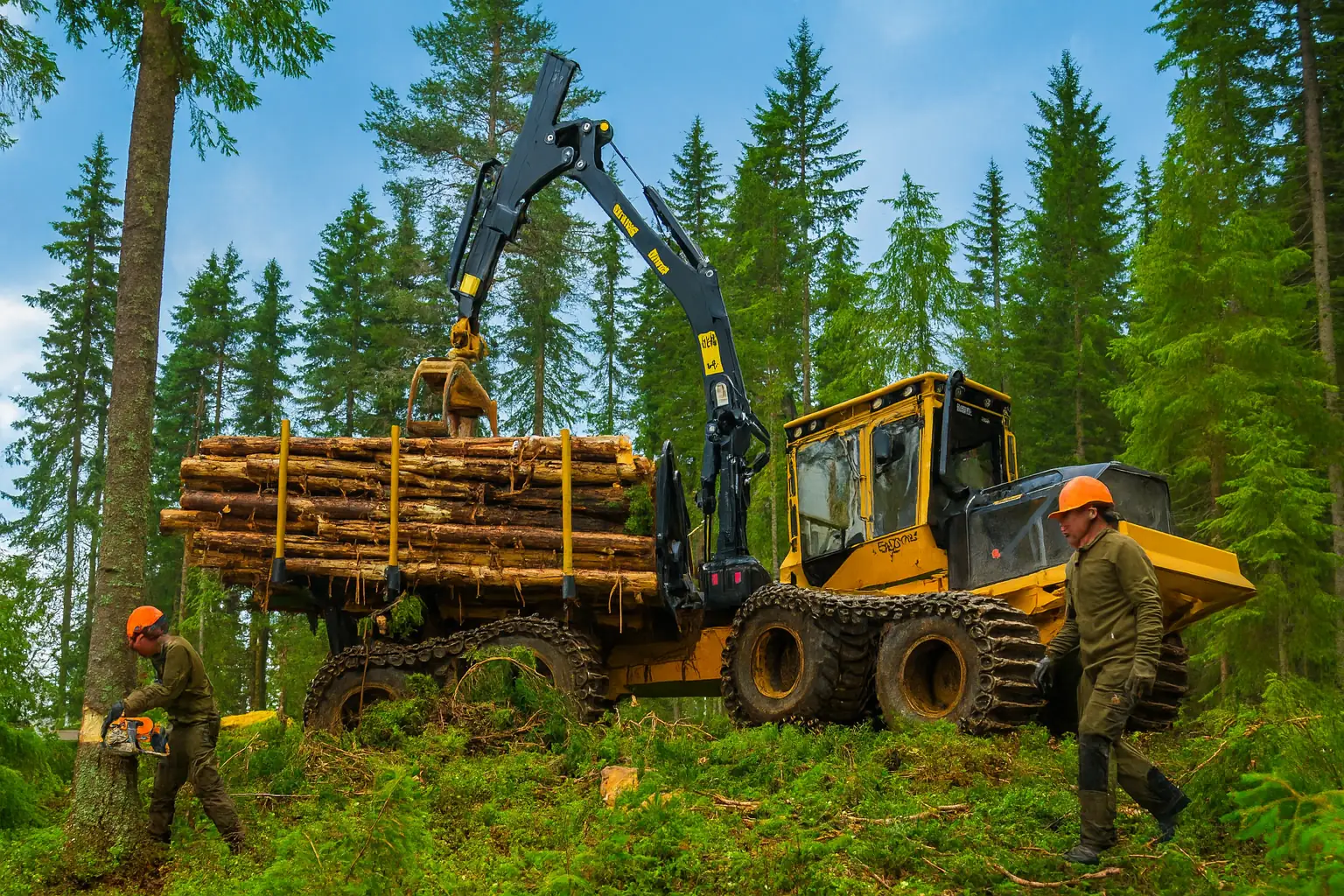
In forestry and green space management, changes in forest condition and growth rarely happen all at once. They develop gradually and often go unnoticed between field surveys, especially across large or remote areas. Relying solely on periodic inspections and fragmented data makes it difficult to maintain an accurate, up-to-date view of forest assets.
Limited visibility into forest structure, health, and development creates uncertainty in operational planning, harvest scheduling, and asset valuation. When information is outdated or incomplete, decisions become harder to plan and more expensive to correct later.
Effective forestry and land monitoring therefore depends on oversight, providing consistent information that supports inventory management, operational planning, and long-term forest management decisions.
Helps identify unauthorized activity, encroachment, and degradation in forests, protected areas, and urban green spaces.
Provides information to understand climate-related impacts and support long-term forest resilience, ensuring land remains productive over time.
Provides information that can support deforestation-related reporting and sustainability frameworks where required.
Helps organisations maintain transparency over forest condition and land use across sourcing areas.
Provides accurate, up-to-date measurements of forest inventory and stand condition to support operational planning, harvest scheduling, and long-term asset valuation.
Identifies early signs of forest health risks such as pest outbreaks, storm damage, or wildfire exposure helping reduce losses and protect forest productivity.
Forestry production and long-term forest management depend on data that can be measured, verified, and explained. PandionAI supports this by combining multiple sources of Earth observation data into a consistent view of forests and green assets. We bring together optical imagery, radar data that works in all weather conditions, and structural information to build a reliable picture of land use, vegetation condition, and change over time.. This approach supports monitoring at different scales, from individual trees in urban areas to large forest landscapes.
Our analysis focuses on producing information that can be used directly in operations, reporting, planning, and verification.
This includes the ability to:
Measure canopy height, canopy cover, and other indicators relevant to forest inventory and growth. Monitor forest health and assess impacts from storms, fire, or pests.Track vegetation change near infrastructure and protected areas Identify deforestation, illegal logging, and conversion of forest land to other uses.
By combining satellite data with structured analysis, PandionAI helps organizations move from fragmented observations to consistent, verifiable information for managing forests, green assets, and urban landscapes.
Monitoring large, distributed areas is expensive and hard. Organizations responsible for forests, coastlines, power grids, and critical infrastructure already invest significantly in aerial, periodic surveys and on-the-ground inspections - yet informational gaps remain. Risks develop gradually, and by the time they are visible through conventional methods, the window for early intervention has often passed. Our customers know this challenge well.
PandionAI was founded by a team with direct experience across remote sensing, applied AI, and intelligence analysis. That background informs everything: how the platform is designed, how alerts are structured, and how information is delivered to fit within and complement existing operational workflows rather than replace them. The focus has always been on providing timely, reliable intelligence that supports decisions - not on adding complexity.
We work with organizations that cannot afford to miss what matters. What we build reflects that responsibility.